
Would you consider trying to outrun a hurricane on a personal watercraft?
Florida Man Tries to Outrun Hurricane on a Jet Ski
This headline probably caught your attention because it sounds both reckless and cinematic. You might picture a lone rider skimming over waves while a towering wall of wind and rain chases behind. The reality is less glamourous and a lot more dangerous. In this article you’ll get a clear, practical understanding of what happened, why it was dangerous, and what you should know about hurricanes, personal watercraft (PWC), and safety decisions during extreme weather.
What actually happened
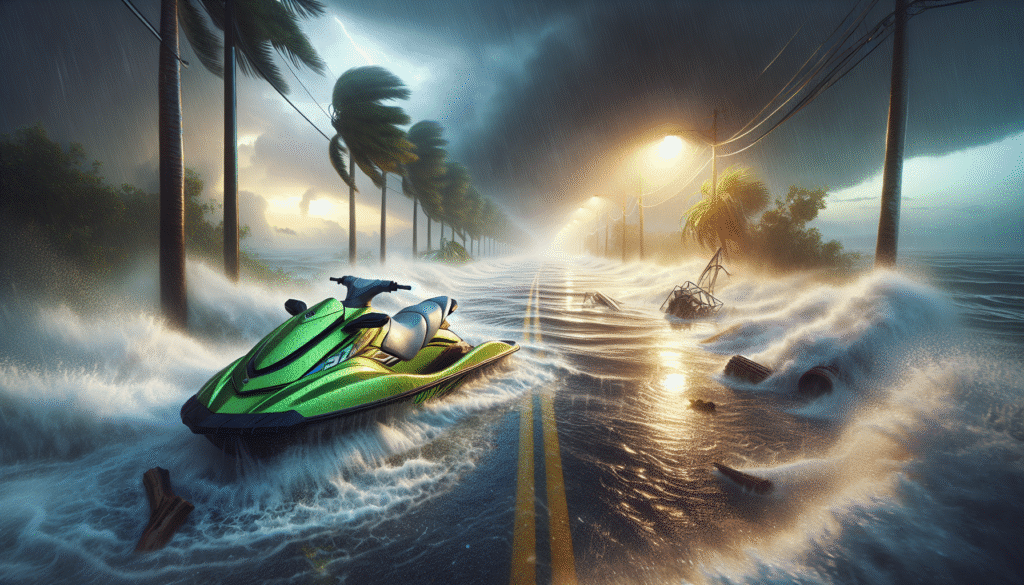
You may already have heard versions of the story: a Florida resident attempted to outrun an approaching hurricane on a jet ski. Reports said the person left shore as conditions worsened, attempting to outrun the storm system over open water. Authorities had to intervene, and rescue resources were mobilized to ensure that no one was injured.
This section gives you a factual sense of the scenario and helps you analyze the choices made. You should view this as a starting point to consider risk, responsibility, and how emergency services respond.
Why this behavior is risky
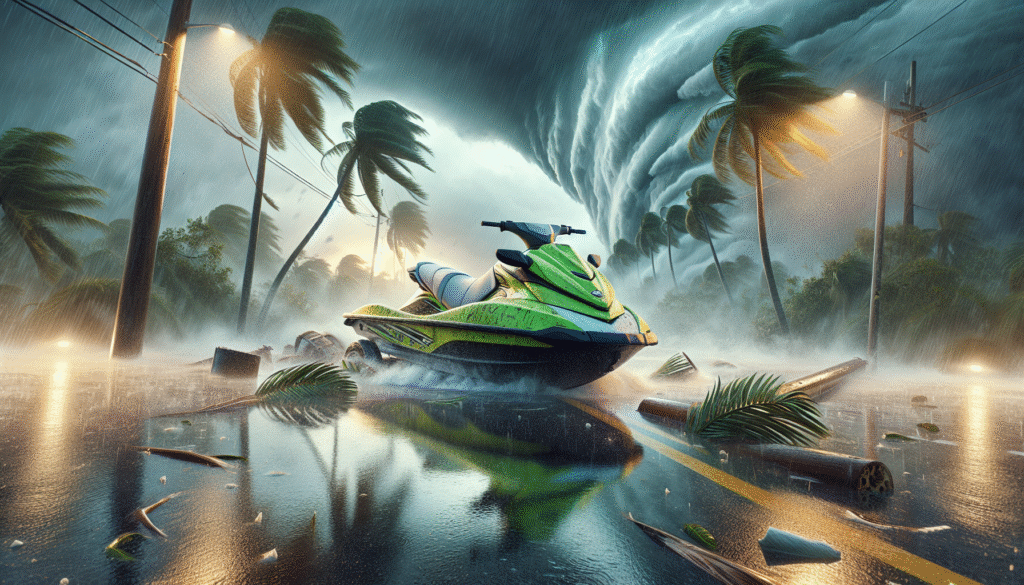
If you are tempted to think that a jet ski can outmaneuver a hurricane, you should pause. Hurricanes are large, complex systems with winds and seas that can grow deadly in a matter of minutes. Jet skis are designed for recreational use in relatively calm coastal waters, not for extended operation in hurricane-force conditions.
You will learn in the sections below about the physical limits of PWCs, how hurricanes develop and move, and why attempting to outrun a hurricane is almost always a losing proposition.
Understanding hurricanes
You should have a simple, practical understanding of what a hurricane is and how it behaves. That knowledge will help you make safer decisions.
How hurricanes form and move
Hurricanes form over warm ocean waters when atmospheric conditions allow for a sustained cycle of evaporation and condensation. These storms organize into rotating systems that can produce sustained high winds, heavy rainfall, and large swells.
You should remember that a hurricane’s most dangerous conditions extend far beyond its visible eye. The storm’s wind field, rain bands, and storm surge create hazards across a very wide area.
Size vs. speed: why these storms are not easy to outrun
Hurricanes can stretch hundreds of miles in diameter, and their forward movement speed usually ranges from slow (a few miles per hour) to moderate (20–30 mph or more). Even if a storm’s center moves relatively quickly, its hazardous wind and sea conditions extend far ahead and to the sides.
You should remember that outrunning a storm center does not protect you from the wind-driven waves and the dangerous shear and turbulence present in the storm’s outer bands.
Storm surge and wave action
Storm surge is the abnormal rise in sea level caused by the storm’s winds pushing water toward shore. Wave action becomes chaotic in hurricane conditions, with steep, high waves and unpredictable currents.
You should be aware that even nearshore waters that may seem passable in a rain squall can rapidly become lethal once surge and long-period swells arrive.
What a jet ski (PWC) can and cannot do
You probably know jet skis as fast, fun toys. They are agile and powerful for short excursions but have significant limitations in open-ocean, high-sea conditions.
Typical performance specs for PWCs
Below is a table summarizing typical performance figures for common jet ski models. Values are approximate and vary by make, model, and load.
| Metric | Typical Range for Recreational PWC |
|---|---|
| Top speed | 40–75 mph (65–120 km/h) |
| Cruising speed | 25–45 mph (40–72 km/h) |
| Fuel capacity | 13–21 gallons (50–80 liters) |
| Range at cruising speed | 60–150 miles (95–240 km) |
| Passenger capacity | 1–3 riders |
| Sea capability | Calm to moderate coastal waters; not designed for sustained open-ocean or heavy seas |
You should use these numbers as a general guide. Even if a PWC can reach high speeds in ideal conditions, those figures drop dramatically as seas worsen.
Stability and seaworthiness limitations
PWCs are small and low-profile, making them vulnerable to large waves, swell, and wind. They have limited buoyancy and are more likely to capsize in steep, breaking seas. Controls become difficult to manage, and fuel exhaustion or mechanical failure in heavy seas puts you at immediate risk.
You should treat a jet ski as a short-range, fair-weather machine; it is not a vessel built for storm conditions.
Fuel and range considerations under stress
Operating at high speeds or in turbulent water increases fuel consumption. If you attempt to “outrun” a storm, you may burn fuel faster than anticipated, reducing your margin for return or rescue. The risk of being stranded without fuel is real.
You should always consider fuel reserves, and never plan for just-in-time refueling during emergencies.
The physics of trying to outrun a storm on water
If you want a practical explanation, this section explains why outrunning a hurricane on a PWC is a flawed strategy.
Relative motion: wind, waves, and forward speed
Even if your PWC can match the storm’s forward speed, the storm’s dangerous conditions extend laterally. Wind-driven waves and rain bands can appear far ahead of the hurricane’s eye. You are not only trying to outrun the center; you’re dealing with a moving field of hazardous conditions.
You should picture the storm as a very large, moving weather machine that changes the sea state over a wide area, not just a single point to avoid.
Wave period and craft response
Large storms produce long-period swells that carry significant energy. These swells create steep, breaking waves when they reach shallower water. A PWC will react violently to these waves, which can cause loss of control, immersion of the intake, and engine failure.
You should recognize that even if the wind seems manageable, the sea’s changing geometry likely isn’t.
Human factors: fatigue, hypothermia, and decision-making under stress
Operating a PWC in rough water is physically demanding. You will tire quickly from maintaining balance, steering, and surviving spray and cold. Fatigue impairs judgment, and exposure to cold water increases your risk of hypothermia, which can happen even in warm climates if you’re wet, exhausted, and exposed for long periods.
You should factor in human endurance limits before making risky choices.
Legal and rescue implications
Going out into dangerous conditions has consequences beyond personal risk. Authorities often need to divert resources to search for or rescue people who negligently enter hazardous waters.
Potential legal ramifications
You may face fines or citations for reckless behavior, particularly if your actions create a demand on emergency services. Some jurisdictions have laws against unnecessary risk-taking that endangers rescuers.
You should be aware that your decision to put yourself at risk can also carry legal and financial consequences.
Rescue costs and risk to responders
A risky rescue can endanger multiple lives—your own and those of rescue personnel. Time and equipment costs are high for storm-related operations, and responders must operate under dangerous conditions as well.
You should recognize that asking for rescue during a hurricane is not a simple inconvenience; it can trigger complex, risky operations.
Insurance and liability considerations
If you attempt dangerous stunts and cause damage to property or require rescue, your insurance may not cover losses incurred through gross negligence. Liability for damage to other vessels, infrastructure, or rescue costs could be significant.
You should check your local laws and insurance policies to understand the financial risks.
Emergency preparedness: what you should do before a storm
Knowing how to prepare will drastically reduce your personal risk and the risk you may place on others.
Personal and family planning
You should have a clear plan for evacuation, communication, and essential supplies. Know evacuation routes, designate safe meeting points, and maintain a charged phone and backup power.
You should also ensure family members and cohabitants understand the plan and their responsibilities.
Securing recreational craft and property
Before storm conditions, you should secure or haul out your PWC and any other small boats. Move them to higher ground, use appropriate chocks and tie-downs, and remove valuables and electronics.
You should never leave a PWC on a trailer unsecured in areas where surge or high winds can move it.
Important gear to have
Keep a hurricane kit with water, food, first-aid supplies, flashlights, batteries, a battery-powered or hand-crank radio, spare chargers, and documentation. If you use a PWC, maintain a floatation device, signaling gear, and a personal locator beacon (PLB).
You should maintain your safety gear and check expiration dates or battery life.
Checklist: simple hurricane preparation list
| Task | Why it matters |
|---|---|
| Monitor official forecasts | Get accurate, timely info to act early |
| Fuel vehicles and small craft | Ensure mobility for evacuation |
| Secure or move boats and equipment | Reduces damage and loss |
| Prepare family emergency kit | Supports needs if utilities fail |
| Charge and pack communication devices | Keeps you in contact and able to request help |
| Inform neighbors/family of plans | Ensures coordinated action and support |
You should use this as a basic guide and expand it to match your local conditions.
What you should do if you find yourself in dangerous conditions on the water
If you find yourself caught unexpectedly in stormy conditions on a PWC or other vessel, your actions can make the difference between life and death.
Immediate priority: preserve life
Your first objective is to secure yourself and any companions and prevent capsizing. If seas are severe, consider heading for the nearest safe harbor or sheltered area rather than attempting to outrun the system.
You should always wear a life jacket and consider clipping to the craft if conditions permit.
Signal for help as early as possible
If you are in trouble, activate your radio, PLB, or other emergency signaling devices right away. Delaying can reduce the chance of timely rescue and increase risk to responders.
You should prioritize early, clear communication to make rescue more effective.
Reduce exposure and conserve energy
If you must abandon the craft, stay with it if flotation and conditions allow, since lifecraft or a partially submerged PWC may be easier for rescuers to spot than a lone swimmer. Conserve energy and stay as warm and dry as possible.
You should only leave the craft if it is about to capsize or sink and staying aboard increases immediate danger.
Contact protocols
Use VHF Channel 16 or your local emergency frequency to call for help. Provide precise location data (GPS coordinates if available), vessel description, number of people aboard, injuries, and nature of the emergency.
You should remain calm and clear, repeat critical info, and keep a listening watch for instructions.
Practical examples and hypothetical calculations
This section gives you a practical perspective using numbers to show why outrunning a hurricane is unrealistic.
Example: speed vs. storm forward motion
Assume a storm center is moving at 20 mph (32 km/h). If you can cruise at 30 mph on a PWC, in theory you could increase distance from the center. However, the storm’s gale-force winds and dangerous seas extend hundreds of miles. The effective “danger zone” could be moving with the storm at a comparable or greater footprint than your maximum safe operational range.
You should consider that operational speed on calm seas is different from achievable speed on the heavy seas that accompany storms.
Fuel consumption under rough conditions
If your PWC normally achieves 100 miles on a tank at cruising speed, heavy seas and high throttle use might cut that range by 30–50%. That could quickly leave you without fuel far from shore.
You should plan conservatively and never assume ideal conditions will apply.
Visibility and navigation limits
Heavy rain and spray reduce visibility to almost zero. GPS might help, but electronics can fail when wet or if the craft capsizes. Coastal landmarks become useless in storm-driven currents and surge.
You should know that navigation becomes unreliable and that returning to port may not be possible.
How first responders handle these incidents
You probably wonder how rescue agencies plan for and respond to such risky calls. Knowing their procedures helps you understand why your decisions matter.
Risk assessment before launch
Rescue teams evaluate weather, sea state, availability of assets, and the likelihood of distress survival. They may delay or adjust rescue types (e.g., relying on aircraft rather than small boats) to manage risk to responders.
You should appreciate that resources are deployed based on maximizing survival chance while minimizing risk to rescuers.
Multi-agency coordination
Storm rescues often involve coast guard, local fire and rescue, law enforcement, and volunteer organizations. Each agency has specific capabilities and limitations.
You should realize that your actions can multiply the resources needed to find and assist you.
Public messaging and advisories
Authorities issue evacuation orders, marine warnings, and safety alerts. These notices are designed to reduce risky behavior before storms arrive.
You should follow official advisories rather than relying on hearsay or personal judgment in high-risk scenarios.
Myths and misconceptions about outrunning storms
There are common myths that fuel poor decisions. Addressing them helps you make safer choices.
Myth: “I’m faster than the storm”
Even if you can match a storm’s forward motion, you cannot outrun the storm’s hazardous envelope. Lateral wind bands and waves can overtake and overwhelm you.
You should see this as a myth that confuses center-tracking with personal safety.
Myth: “I’m experienced, I can handle it”
Experience helps, but even seasoned mariners avoid hurricanes. The margin for error shrinks dramatically in extreme weather.
You should recognize that even professional mariners plan to avoid storms rather than confront them.
Myth: “My PWC is made for this”
PWCs are engineered for recreational conditions. Manufacturers warn against heavy-weather use for safety reasons.
You should follow manufacturer guidance and best-practice safety protocols.
How communities and authorities can reduce such incidents
Reducing dangerous behavior requires both public education and practical measures.
Strong, clear public messaging
Authorities should issue timely, understandable warnings that reach people where they live and recreate. Messaging tailored to recreational water users is particularly important.
You should pay attention to official channels and local community alerts.
Improved mooring and storage options
Providing accessible, secure options for storing PWCs during storms can reduce the temptation to leave them in risky spots.
You should use community storage or mooring facilities when advised.
Enforcement and consequences for risky behavior
Clear enforcement and consequences for requiring dangerous rescues can deter risky choices. Education paired with reasonable enforcement is often effective.
You should understand local rules and the potential penalties for ignoring them.
Lessons you can take away
This event serves as a reminder of the limits of personal ingenuity in the face of natural forces.
Prioritize life over property
Your well-being is more important than any craft or toy. Abandoning pride, possessions, or hubris in favor of safety is the right call.
You should always choose life and safety first.
Prepare and plan early
Good planning reduces the need for last-minute decisions that often lead to risk. Buy time by acting early on forecasts and evacuation advice.
You should maintain a habit of early preparation.
Respect weather and professional advice
Meteorological science, safety guidelines, and rescue professionals all exist to protect you. Take them seriously.
You should rely on verified, official guidance when making decisions.
Resources and contacts
If you regularly use waterways or live in hurricane-prone areas, keep relevant contact and informational resources readily available.
| Resource | Use |
|---|---|
| Local emergency management office | Evacuation orders and local advisories |
| National weather service / meteorological authority | Official forecasts and storm updates |
| Coast Guard / maritime rescue services | Marine emergency response |
| Local marina operators | Secure storage and mooring advice |
| Weather alert apps and NOAA weather radio | Real-time alerts and warnings |
You should store these contacts in your phone and emergency kit.
Conclusion
You may find stories like “Florida Man Tries to Outrun Hurricane on a Jet Ski” attention-grabbing, but the underlying lesson is practical and important: nature’s forces can easily overwhelm even confident individuals and capable machines. If you use a PWC or any small craft, commit to responsible behavior: monitor official forecasts, secure your craft early, avoid unnecessary risk, and prioritize your life and the safety of responders. Your choices affect not only you but also the community and the brave people who might be called upon to rescue you.
Stay safe, prepare early, and respect the limits of your equipment.